Choosing the best compound bow for beginners is one of the most important decisions you will make as a new archer. The right bow grows with you, forgives form errors, and keeps practice fun. The wrong bow leads to frustration, injury, and giving up. This 2026 compound bow buying guide covers the top beginner compound bows available today, what specs actually matter, and how to choose the right one for your body and goals.
Our Top 5 Beginner Compound Bows (2026)
- 1. Diamond Edge 320 — Best overall adjustability and value
- 2. Bear Cruzer G3 — Most versatile out-of-the-box package
- 3. PSE Stinger Max — Best budget option with no compromises
- 4. Bowtech Solution — Best performance step-up for serious learners
- 5. Mission Switch — Best for youth or archers unsure of draw length
🔍 What to Look for in a Beginner Compound Bow
Before jumping into specific models, understanding the key specs will help you make a smarter purchase. Here is what matters most for a beginner compound bow:
Adjustable Draw Length
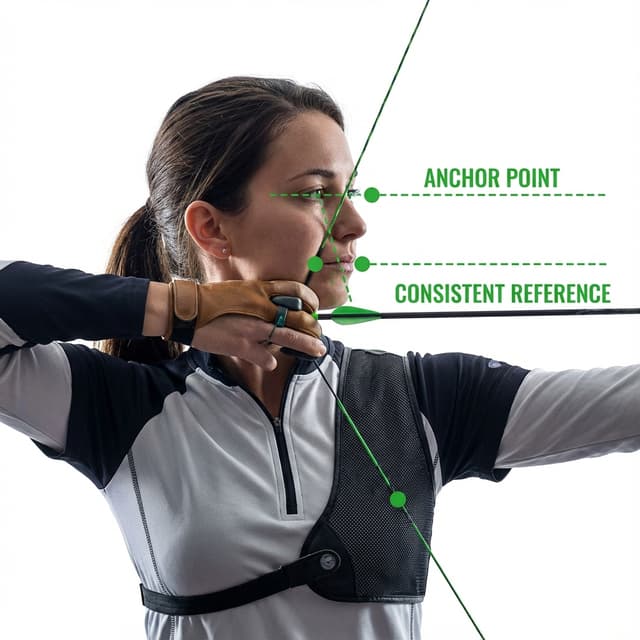
Draw length is the distance from the grip to the anchor point at full draw. Getting it wrong is the single biggest cause of poor form and inconsistency. Most beginner bows offer a draw length range of 17–31 inches, adjustable without a bow press. This is essential because many beginners don't know their draw length yet, and it can change slightly as you build form. See our draw length guide to measure yours before buying.
Adjustable Draw Weight
Draw weight is how many pounds of force it takes to pull the bow to full draw. Beginners almost universally start too heavy, causing fatigue and form breakdown. Look for bows with a wide adjustable range — typically 5–70 lbs on good beginner models. This lets you start light (20–30 lbs) and increase as you build strength. Learn more in our draw weight guide.
Let-Off Percentage
Let-off is the percentage of peak draw weight that drops off at full draw when the cams roll over. A 75% let-off on a 50 lb bow means you only hold 12.5 lbs at full draw. High let-off (75–85%) is extremely beginner-friendly — it makes holding aim comfortable and allows longer time to settle before shooting. Most beginner bows offer 70–80% let-off.
Axle-to-Axle Length
Axle-to-axle (ATA) length is the distance between the two cams at each end of the limbs. Longer ATA (32+ inches) is more forgiving and easier to aim accurately — ideal for target archery. Shorter ATA (28–31 inches) is more maneuverable, preferred for hunting. For beginners focused on target shooting or range practice, aim for 30–33 inches ATA.
Ready-to-Shoot (RTS) Packages
Many beginner bows come as a ready-to-shoot package including a sight, arrow rest, stabilizer, wrist sling, and sometimes arrows. These packages offer excellent value and remove the overwhelming process of sourcing accessories individually. The bundled components won't be top of the line, but they are perfectly adequate to get shooting immediately and improve for the first 12–18 months.
🏹 Top 5 Best Compound Bows for Beginners in 2026
#1 Diamond Archery Edge 320
The Diamond Edge 320 has been one of the best-selling beginner compound bows for years — and for good reason. It offers an industry-leading adjustable range, solid out-of-the-box performance, and enough quality to stay useful well beyond the beginner stage.
Key Specs
- • Draw Length: 15–31 inches
- • Draw Weight: 7–70 lbs
- • Let-Off: 80%
- • Axle-to-Axle: 31 inches
- • IBO Speed: 320 fps
- • Weight: 3.6 lbs
Pros & Cons
- ✓ Widest adjustable range available
- ✓ Adjustable without a bow press
- ✓ Good included accessories
- ✓ Suitable for youth and adults
- ✗ Not the most visually premium feel
- ✗ Included arrows are basic
Best for: Families sharing a bow, archers unsure of their draw specs, youth archers who will grow into it.
#2 Bear Archery Cruzer G3
The Bear Cruzer G3 is a refined evolution of one of the best-loved beginner compound bows ever made. Bear Archery is a trusted name with decades of experience, and the Cruzer line delivers exceptional versatility for new archers in a turnkey package.
Key Specs
- • Draw Length: 12–30 inches
- • Draw Weight: 5–70 lbs
- • Let-Off: 75%
- • Axle-to-Axle: 30 inches
- • IBO Speed: 315 fps
- • Weight: 3 lbs
Pros & Cons
- ✓ Excellent RTS accessory bundle
- ✓ Starts at just 5 lbs draw weight
- ✓ Lightweight at 3 lbs
- ✓ Great color options
- ✗ 75% let-off (slightly less than competitors)
- ✗ Shorter ATA can feel less stable for adults
Best for: Young archers, smaller-framed adults, those wanting everything in one box without any extra shopping.
#3 PSE Stinger Max
The PSE Stinger Max proves that you don't need to spend a lot to get a legitimate compound bow for beginners. PSE is a major manufacturer that applies serious engineering even to their entry-level line, and the Stinger Max punches well above its price point.
Key Specs
- • Draw Length: 23–30 inches
- • Draw Weight: 40–70 lbs
- • Let-Off: 75%
- • Axle-to-Axle: 32 inches
- • IBO Speed: 326 fps
- • Weight: 4 lbs
Pros & Cons
- ✓ Exceptional value under $300
- ✓ Longer ATA for better stability
- ✓ Higher IBO speed than competitors
- ✓ Solid PSE build quality
- ✗ Narrower draw length range
- ✗ Minimum 40 lb draw weight (not for very young archers)
Best for: Adult beginners on a tight budget, teens with a measured draw length of 23–30 inches, hunting-oriented beginners.
#4 Bowtech Solution
The Bowtech Solution sits at a higher price point but represents a genuine performance compound bow that a serious beginner will never outgrow. Bowtech's Deadlock cam system is one of the most tuner-friendly in the industry — everything is adjustable with an Allen key, no bow press required.
Key Specs
- • Draw Length: 25.5–30 inches
- • Draw Weight: 40–80 lbs
- • Let-Off: 75–80% (adjustable)
- • Axle-to-Axle: 33 inches
- • IBO Speed: 332 fps
- • Weight: 4.3 lbs
Pros & Cons
- ✓ True performance bow, not just beginner
- ✓ Deadlock system makes tuning easy
- ✓ Excellent long-term investment
- ✓ Very smooth draw cycle
- ✗ Higher price — not the most budget-friendly
- ✗ Narrower draw length range than budget options
Best for: Serious beginners who want to invest once, adult men with 26–30 inch draw length, archers committed to target archery or competitive shooting.
#5 Mission Archery Switch
Mission Archery (a Mathews sub-brand) makes bows engineered for maximum adjustability and accessibility. The Mission Switch lives up to its name — it switches between configurations easily, accommodating the widest range of shooters with just a few turns of an Allen key. Mission bows carry Mathews DNA without the premium price.
Key Specs
- • Draw Length: 14–30 inches
- • Draw Weight: 14–70 lbs
- • Let-Off: 70–80% (adjustable)
- • Axle-to-Axle: 28 inches
- • IBO Speed: 310 fps
- • Weight: 2.9 lbs
Pros & Cons
- ✓ Starts at 14 lb draw weight
- ✓ Extremely wide draw length range
- ✓ Lightest bow on this list at 2.9 lbs
- ✓ Mathews engineering at lower cost
- ✗ Short ATA — less stable for adults at long range
- ✗ Lower IBO speed than some competitors
Best for: Youth archers who will grow into it, small-framed adults, families wanting one bow that fits multiple people.
📊 Side-by-Side Comparison
| Bow | Price | Draw Length | Draw Weight | Let-Off | ATA | Best For |
|---|---|---|---|---|---|---|
| Diamond Edge 320 | $349–$449 | 15–31" | 7–70 lbs | 80% | 31" | Overall best |
| Bear Cruzer G3 | $329–$429 | 12–30" | 5–70 lbs | 75% | 30" | Youth / packages |
| PSE Stinger Max | $249–$329 | 23–30" | 40–70 lbs | 75% | 32" | Budget pick |
| Bowtech Solution | $649–$799 | 25.5–30" | 40–80 lbs | 75–80% | 33" | Serious beginners |
| Mission Switch | $399–$499 | 14–30" | 14–70 lbs | 70–80% | 28" | Youth / flexible |
Pro Tip: Get Measured First
Visit a local archery pro shop and have your draw length measured in person before purchasing. A bow fitted to the wrong draw length will cause cascading form problems regardless of brand or price. Most shops measure for free, and many will let you try bows before buying.
Draw Weight Recommendation for Beginners
Start at 20–35 lbs for target archery and practice. Many beginners feel tempted to jump to 50–60 lbs immediately. This leads to fatigue, inconsistent form, and potential injury. You can always increase weight as you build strength — you cannot undo bad habits formed from struggling with too much weight. Check our full draw weight guide for recommendations by age and discipline.
🎒 Essential Accessories for Beginner Compound Archers
Even if you buy a ready-to-shoot package, here are the accessories you will eventually need:
- ✓Release aid: A wrist strap index trigger release is standard for beginners. Budget $30–$80.
- ✓Arrows: Get arrows matched to your draw length and draw weight. Carbon arrows (Easton, Gold Tip) are recommended. Budget $50–$150 for a set of 6.
- ✓Arrow rest: Most RTS packages include a drop-away or whisker biscuit rest. A quality drop-away improves accuracy significantly.
- ✓Sight: A 3-pin or 5-pin fiber optic sight is included in most packages. As you advance, upgrade to a single-pin slider sight.
- ✓Arm guard: Protects your forearm from string slap during the learning phase. Budget $10–$20.
- ✓Stabilizer: Reduces bow torque and vibration. Most RTS packages include a basic stabilizer — it's a good start.
- ✓Quiver: A hip or bow quiver keeps arrows accessible. Side mount bow quivers can affect balance — many target archers prefer a hip quiver for practice.
Compound vs. Recurve — Which Should You Start With?
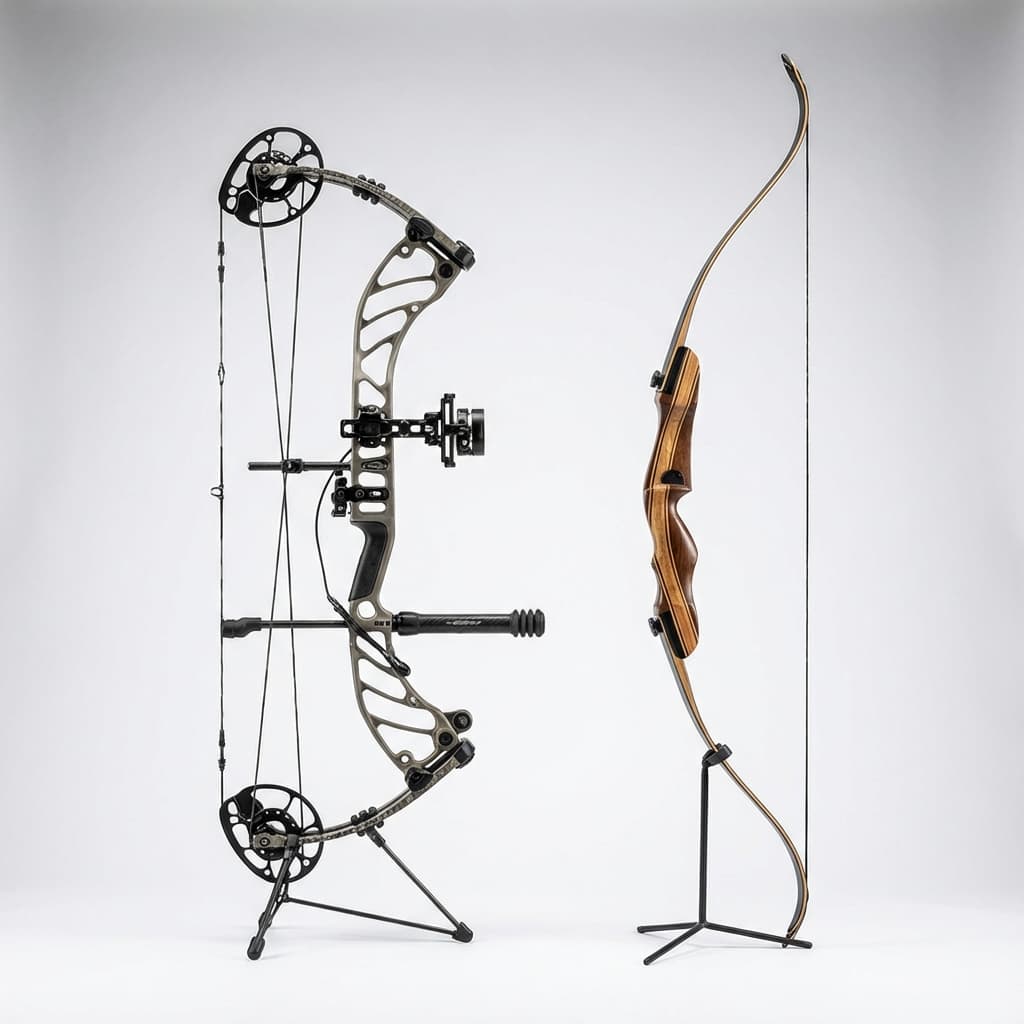
Not sure whether to start with compound or recurve? Compound bows are more forgiving of form errors and more accurate at longer ranges. Recurve bows are simpler, require more strength, and are required for Olympic competition. Read our full breakdown in the compound vs recurve comparison guide.
Track Your Progress from Day One
Once you have your bow, use ArcheryBuddy to log every session, track your scores, and get AI-powered form feedback. Starting with good data habits early accelerates improvement dramatically.