The biggest decision a new archer faces: Compound or Recurve? Both are fantastic, but they offer vastly different experiences. This comprehensive guide breaks down the differences, pros, cons, and costs to help you choose your perfect match.
⚡ Quick Answer
Recurve bows 2025 models remain true to tradition: simpler, cheaper, and used in the Olympics — excellent for learning pure form.Compound bows 2025 lineup features high-tech pulley systems for easier aiming and more power — ideal for hunting and precision shooting. Most beginners should start with recurve to build fundamentals, unless hunting is the primary goal.
🔎 The Key Difference: Mechanics
Recurve Bow
Simpler, more traditional. The harder you pull, the more weight you hold. Used in the Olympics.
Compound Bow
Modern technology uses cams (pulleys) to make holding the weight easier. High accuracy and power.
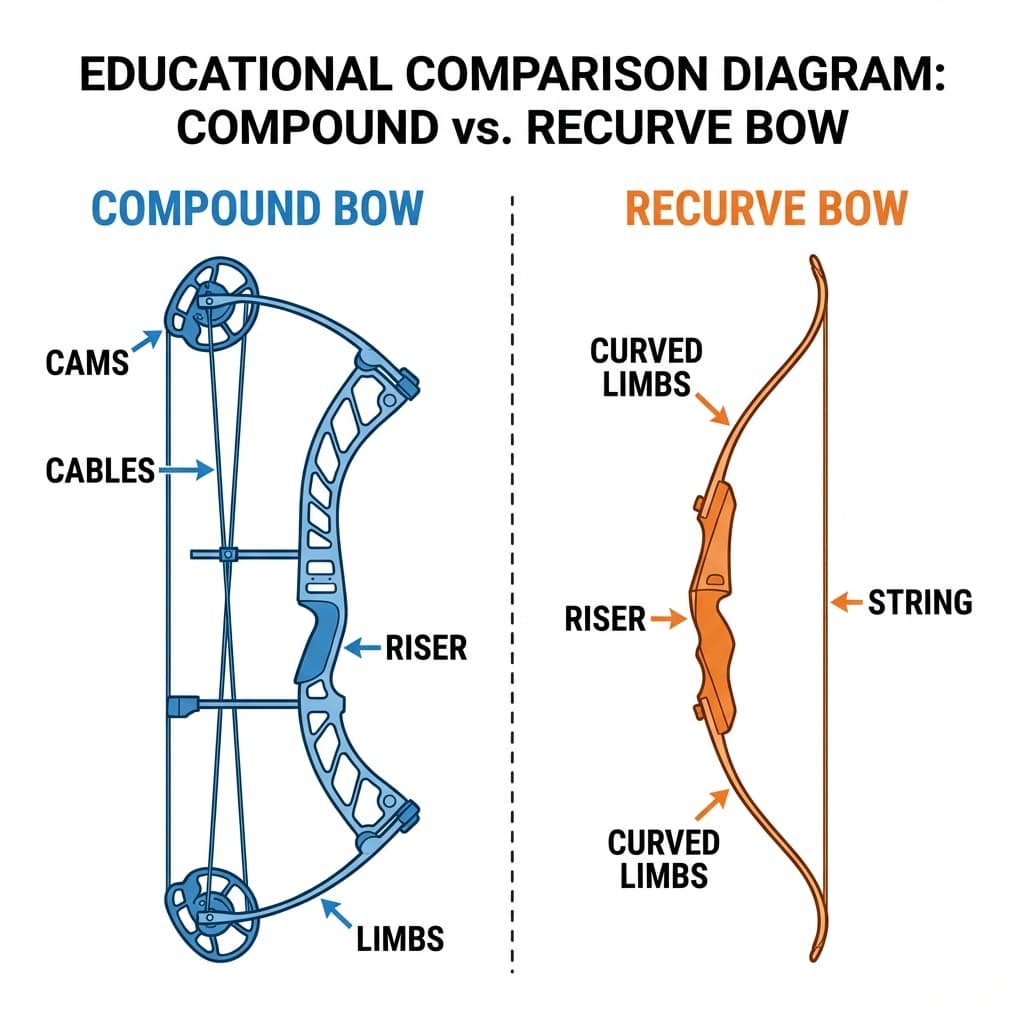
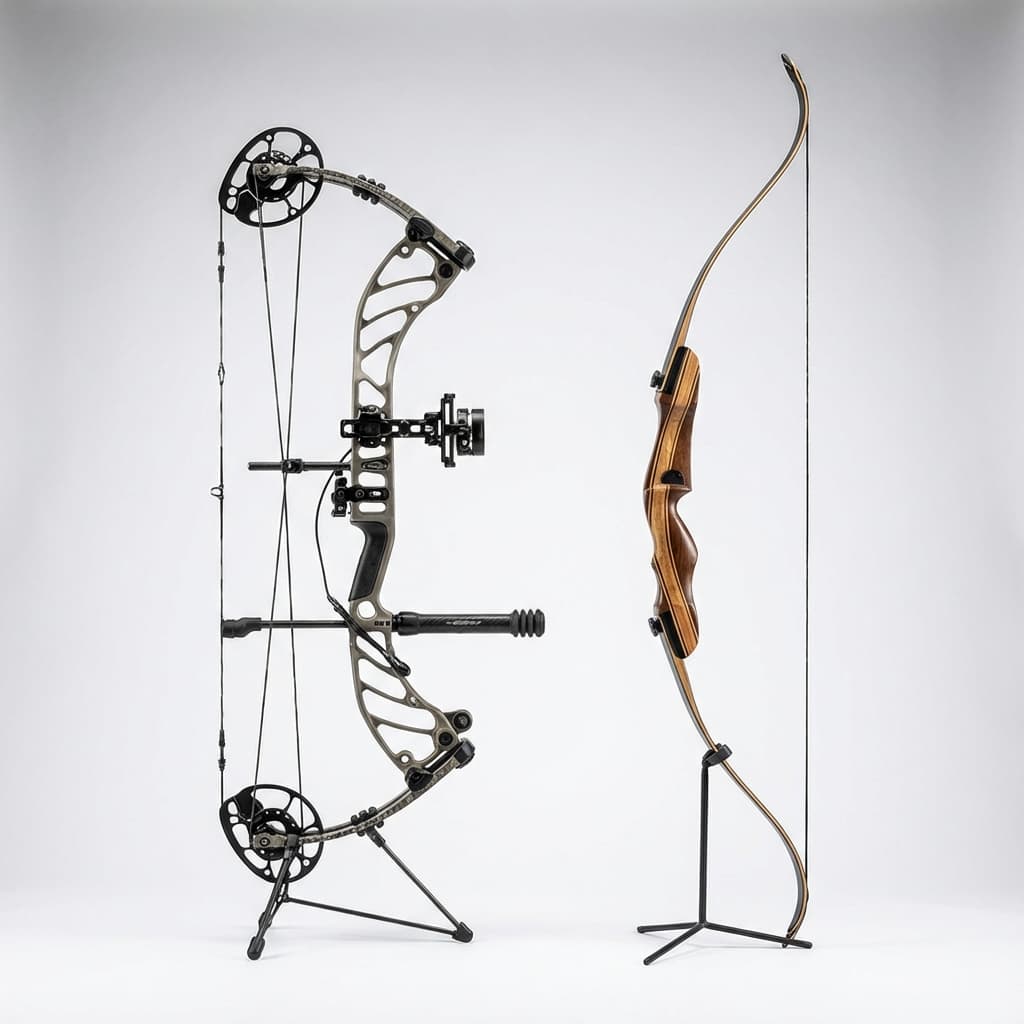
Key visual differences: Compound (left) with cams and cables vs Recurve (right) with curved limbs
💡 What is "Let-Off" in Compound Bows?
Let-off is the most important concept to understand when comparing compound vs recurve bows. When you draw a compound bow, you pull through a "wall" of maximum weight. Once past this point, the cam system reduces the weight you hold by 70-90%.
Example: 60lb Compound Bow with 80% Let-Off
- • Peak Draw Weight: 60 lbs (you pull through this)
- • Holding Weight: Only 12 lbs (at full draw)
- • Advantage: More time to aim steady without muscle fatigue
With a recurve bow, if you draw 30 lbs, you hold 30 lbs the entire time. This develops strength and teaches you to execute shots quickly, but it's more demanding.
⚖️ Pros & Cons
Recurve Bow
✅ Pros
- • Cheaper to start ($150-300)
- • Teaches impeccable form
- • Lighter to carry
- • Easy to maintain/repair
- • Challenging and rewarding
- • Used in Olympic competition
❌ Cons
- • Physically harder to hold at full draw
- • Harder to master accuracy
- • Shorter effective hunting range
- • Slower arrow speeds
Compound Bow
✅ Pros
- • Easier to hold at full draw (let-off)
- • Faster learning curve for accuracy
- • Very powerful and fast arrows
- • Compact size
- • Excellent for hunting
- • Adjustable draw length and weight
❌ Cons
- • More expensive ($400-1000+)
- • Heavier physical weight
- • Requires bow press for maintenance
- • Complex to tune
📈 Learning Curve Comparison
Recurve Learning Timeline
- Week 1-4: Basic form, can hit target face
- Month 2-3: Consistent groups at 18m
- Month 6-12: Good form, competing locally
- Year 2+: Advanced technique, tight groups
Compound Learning Timeline
- Week 1-2: Basic form, hitting target
- Month 1: Consistent groups at 20m
- Month 2-3: Good accuracy, tuning bow
- Month 6+: Hunting-ready or competitive
🤔 Which One Is Right For You?
Choose Recurve If...
- You dream of Olympic competition
- You appreciate tradition and simplicity
- You're on a tight budget
- You want to develop perfect fundamental form
- You enjoy the challenge of mastering instinct/technique
Choose Compound If...
- Your main goal is hunting
- You love gadgets, engineering, and tweaking gear
- You want high accuracy quickly
- You have physical limitations holding heavy weight
- You want to shoot long distances with precision
💰 Cost Comparison (Starter Setup)
| Gear | Recurve (Entry) | Compound (Entry) |
|---|---|---|
| Bow | $100 - $200 | $300 - $500 |
| Rest/Plunger | $20 - $50 | $30 - $60 |
| Sight | $30 - $100 | $40 - $100 |
| Release/Tab | $15 (Tab) | $50 (Release) |
| Arrows (6) | $40 | $50 |
| Total Avg | ~$250 | ~$550 |
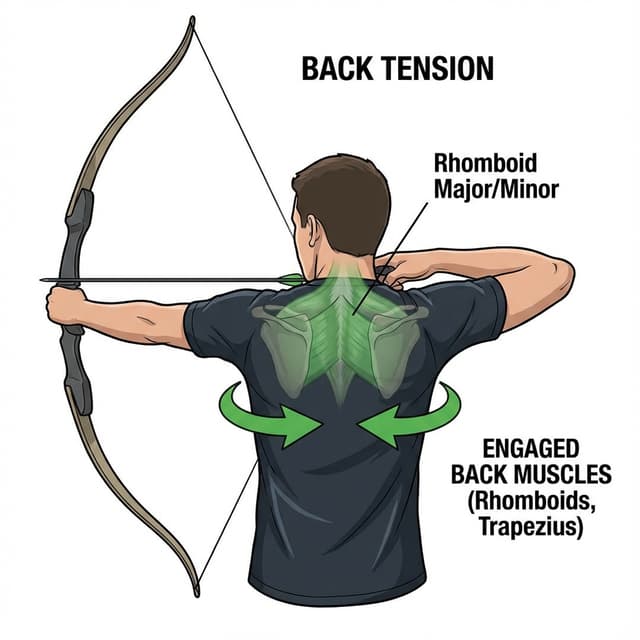
Many archers start with Recurve to learn proper form (back tension, posture) because it's less forgiving. Once mastered, switching to Compound is easy, but starting on Compound can sometimes mask bad habits.
❓ Frequently Asked Questions
Is a compound bow easier than a recurve?▼
Which bow is better for beginners?▼
Can you hunt with a recurve bow?▼
Why are compound bows more expensive?▼
Are recurve bows used in the Olympics?▼
How fast do arrows fly from each bow type?▼
Master ANY Bow with ArcheryBuddy
Whether you choose recurve or compound, good form is universal. Download ArcheryBuddy to analyze your shooting and improve faster.
✅ Quick Summary
- ✓Recurve: Traditional, cheaper, harder to master, Olympic style.
- ✓Compound: Modern, faster, uses pulleys/cams, easier to hold.
- ✓Choose Recurve for form mastery, budget, and Olympic dreams.
- ✓Choose Compound for hunting, speed, precision, and easier learning.