Building a backyard archery range is one of the best investments you can make as an archer. Having a home archery range means unlimited practice time, no range fees, and the convenience of shooting whenever you want. This guide covers everything you need to set up a safe, effective archery range in your backyard.
What You Need (Quick Overview)
- • Minimum 20 yards of clear shooting lane
- • A quality target rated for your bow type
- • A backstop behind the target (net, berm, or fence)
- • Clear sightlines with no foot traffic behind
- • Knowledge of local laws regarding archery discharge
📏 1. Space Requirements for a Backyard Range
The amount of space you need depends on what distances you want to shoot. Here are the minimum recommendations for a safe home archery range setup:
Minimum Space by Distance
| Shooting Distance | Min. Lane Length | Lane Width |
|---|---|---|
| 10 yards (indoor practice) | 15 yards total | 6 feet |
| 20 yards (standard backyard) | 30 yards total | 8 feet |
| 30 yards (hunting practice) | 40 yards total | 10 feet |
| 50+ yards (target archery) | 60+ yards total | 12 feet |
Always add at least 10 yards behind the target as a safety buffer. This extra space accounts for pass-throughs, bouncebacks, and complete misses — especially important when you're starting out.
Pro Tip: Even if you only plan to shoot 20 yards, set up your range so the arrows travel toward a fence, hill, or tree line — never toward roads, neighbors, or walkways.
⚠️ 2. Safety First: Non-Negotiable Rules
Safety is the most important aspect of any home archery range. A misplaced arrow can cause serious injury or property damage. Follow these rules without exception:
Safety Rules for Backyard Archery
- • Never shoot toward roads, sidewalks, neighboring properties, or any area with foot traffic
- • Always have a backstop behind your target — never rely on the target alone
- • Establish a clear shooting line and never allow anyone downrange while shooting
- • Store bows and arrows securely when not in use, especially with children around
- • Inspect equipment regularly — cracked arrows can shatter on release
- • Tell household members when you're practicing so nobody walks into the range
🎯 3. Choosing the Right Target
Your target choice depends on your bow type, draw weight, and budget. Here are the main options for a backyard archery target:
Target Types Comparison
Bag Targets ($30–$80)
Best for: Field points, compound bows. Filled with synthetic material. Easy arrow removal. Last 1–2 years with regular use. Great for beginners.
Block/Layered Foam Targets ($50–$150)
Best for: Broadheads and field points. Self-healing foam layers stop arrows quickly. Multiple shooting sides extend lifespan. The most popular choice for home ranges.
3D Animal Targets ($100–$400)
Best for: Bowhunters practicing shot placement. Realistic animal shapes with replaceable vital sections. Fun but more expensive to maintain.
Straw/Hay Bale Targets ($10–$30)
Best for: Low draw weight bows and beginners. Very affordable but arrows can be hard to pull out. Degrades in rain. Good temporary solution.
Pro Tip: For compound bows over 50 lbs draw weight, avoid bag targets — arrows will pass through. Use layered foam or a purpose-built broadhead target instead.
🛡️ 4. Backstop Options
A backstop catches any arrows that miss or pass through your target. This is the most critical safety feature of your backyard archery range:
Backstop Options (Best to Budget)
- Archery netting ($50–$200): Purpose-built arrow nets hang behind the target and catch pass-throughs. Easy to set up between posts or trees. The most popular solution.
- Earth berm (free–$100): A natural hill or mound of dirt behind the target. The safest option if your yard has natural elevation. Arrows bury harmlessly.
- Rubber horse stall mats ($30–$60 each): Hang behind the target. Incredibly durable and will stop almost any arrow. Heavy to install but last forever.
- Plywood + carpet ($20–$50): A sheet of plywood with old carpet stapled to the front. Budget-friendly and effective for lower draw weights.
🏗️ 5. Setting Up Your Shooting Lane
A well-organized shooting lane makes practice safer and more enjoyable. Here's how to set up your home archery range step by step:
Lane Setup Checklist
- Clear the lane: Remove obstacles, low branches, and tripping hazards between the shooting line and target
- Level the shooting position: You want stable, flat ground at the shooting line
- Place the target: Set it at eye/chest height on a stable stand. Elevate slightly for easier arrow retrieval
- Install the backstop: Position 3–5 feet behind the target, wider than the target on both sides
- Mark distance lines: Use stakes or paint to mark 10, 15, and 20 yard lines
- Add side barriers (optional): Netting or fencing on the sides prevents wayward shots from leaving the lane
- Set up a gear station: A small table or rack near the shooting line for arrows, tools, and water
⚖️ 6. Legal Considerations
Before building your backyard archery range, check your local regulations. Laws vary significantly by location:
What to Check
- • City/county ordinances: Some municipalities prohibit projectile discharge within city limits. Call your local zoning office.
- • HOA rules: If you live in an HOA community, check for restrictions on outdoor sporting equipment and activities.
- • Property line setbacks: Some areas require a minimum distance from property boundaries for archery practice.
- • Liability insurance: Consider an umbrella policy or check if your homeowner's insurance covers archery accidents.
- • Neighbor communication: Even where legal, talk to neighbors first. Good communication prevents complaints.
Pro Tip: In most rural areas, backyard archery is completely legal. Urban and suburban areas have more restrictions. When in doubt, call your local building or zoning department — they can give you a definitive answer in minutes.
💰 7. Budget Breakdown
You can set up a functional home archery range for under $100, or build a premium setup for $300–$500. Here are three budget tiers:
Budget Setup (~$60–$100)
- • Hay bale or basic bag target: $15–$40
- • DIY plywood + carpet backstop: $20–$30
- • Ground stakes for distance markers: $5
- • Printed target faces: $10–$20
Mid-Range Setup (~$150–$250)
- • Block/layered foam target: $60–$100
- • Archery backstop net: $50–$80
- • Target stand: $20–$40
- • Quality target faces: $15–$25
Premium Setup (~$300–$500)
- • High-end foam target + 3D target: $150–$250
- • Professional backstop netting: $80–$120
- • Multiple distance markers with permanent stakes: $20
- • Weather cover/shelter for target: $50–$100
📱 8. Track Your Practice Sessions
Once your backyard archery range is set up, the real work begins: consistent, purposeful practice. The best way to improve is to track every session so you can see what's working.
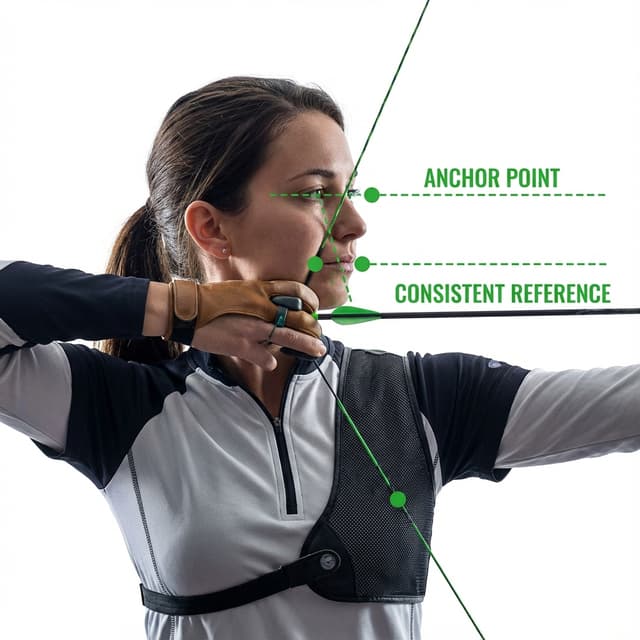
ArcheryBuddy makes it easy to log scores, analyze your form with AI, and track progress over time. Take a photo at full draw and get instant feedback on your stance, anchor point, and alignment — right from your backyard.
Make Every Session Count
- • Log scores every session to track improvement
- • Use AI form analysis to catch mistakes you can't feel
- • Set distance goals and progressively increase range
- • Practice with purpose — work on one skill per session
✅ Final Checklist
- Check local laws for archery discharge regulations
- Choose your lane direction — shoot toward a fence, hill, or dense tree line
- Buy a target rated for your bow's draw weight
- Install a backstop behind the target
- Mark shooting distances with stakes or paint
- Tell your household about range safety rules
- Download ArcheryBuddy to track your progress