Whether you're a complete beginner curious about trying archery or an experienced archer who just moved to a new area, finding quality ranges, clubs, and lessons nearby can feel surprisingly difficult. This guide walks you through every method for locating archery resources in your area—and how to evaluate them once you find them.
📍 Why Finding the Right Range Matters
Archery is not like running or cycling—you need a safe, designated space to practice. The range you choose affects your safety, your rate of improvement, and how much you enjoy the sport. A great local range gives you access to coaching, equipment rentals, and a community of fellow archers who can accelerate your progress.
Indoor Ranges
Climate-controlled, year-round shooting. Typically 18–20 yards. Great for beginners and winter practice. Often offer equipment rental and group lessons.
Outdoor Ranges
Longer distances (up to 70+ meters). Better for competition training and field archery. Weather-dependent but offers more realistic shooting conditions.
Club Ranges
Member-owned facilities with regular practice times, leagues, and tournaments. The best option for serious improvement and community.
🔍 How to Find Archery Near You
1. Use National Archery Organization Directories
The fastest way to find legitimate, safety-certified ranges and clubs is through official archery organization directories:
- USA Archery — The national governing body maintains a searchable club finder at usarchery.org. Every listed club meets safety and insurance requirements.
- World Archery — If you are outside the US, visit worldarchery.sport and navigate to your national federation's website for local club listings.
- Archery GB / Archery Canada / Archery Australia — Each country's governing body has its own club finder tool.
- National Field Archery Association (NFAA) — Specializes in field and 3D archery clubs across the US.
2. Google Maps and Search
A simple search for "archery range near me" or "archery lessons [your city]" on Google Maps will surface commercial ranges and pro shops. Pay attention to:
- Reviews — Look for mentions of safety, cleanliness, and staff friendliness
- Photos — Check if the facility looks well-maintained
- Hours — Many ranges have limited walk-in hours or require reservations
- Distance — A range you'll actually visit regularly matters more than the "best" range an hour away
3. Check Archery Pro Shops
Many archery pro shops have attached indoor ranges or can point you to the best local facilities. Pro shops are also excellent resources for equipment advice, bow fitting, and connecting with the local archery community. Even big-box outdoor retailers like Bass Pro Shops and Cabela's sometimes host introductory archery events.
4. Social Media and Community Groups
Facebook groups, Reddit's r/Archery community, and local forums are goldmines for finding ranges that might not show up in official directories. Search for groups like "[Your City] Archery" or "[Your State] Bowhunters." Members are usually happy to recommend their favorite spots.
5. Parks and Recreation Departments
Many city and county parks departments operate public archery ranges—often free of charge. These outdoor ranges may be unstaffed, so they are better for archers who already have their own equipment and basic knowledge. Check your local parks department website or call their office directly.
ArcheryBuddy includes a built-in club and range finder that aggregates data from multiple sources. Open the app, tap "Find Clubs," and browse ranges near your current location with ratings and contact info.
✅ What to Look for When Visiting a Range
Not all ranges are created equal. Before committing to a membership or lesson package, visit the facility and evaluate these factors:
Safety Standards
Are there clear shooting lines? Is there a designated range officer? Are backstops and side nets in good condition? Are range commands used consistently? A well-run range takes safety seriously at every level.
Equipment Rental Availability
If you are a beginner, you need a range that rents bows and arrows. Check that rental equipment is well-maintained and that staff will help you select the right draw weight and bow type for your size and experience.
Coaching Quality
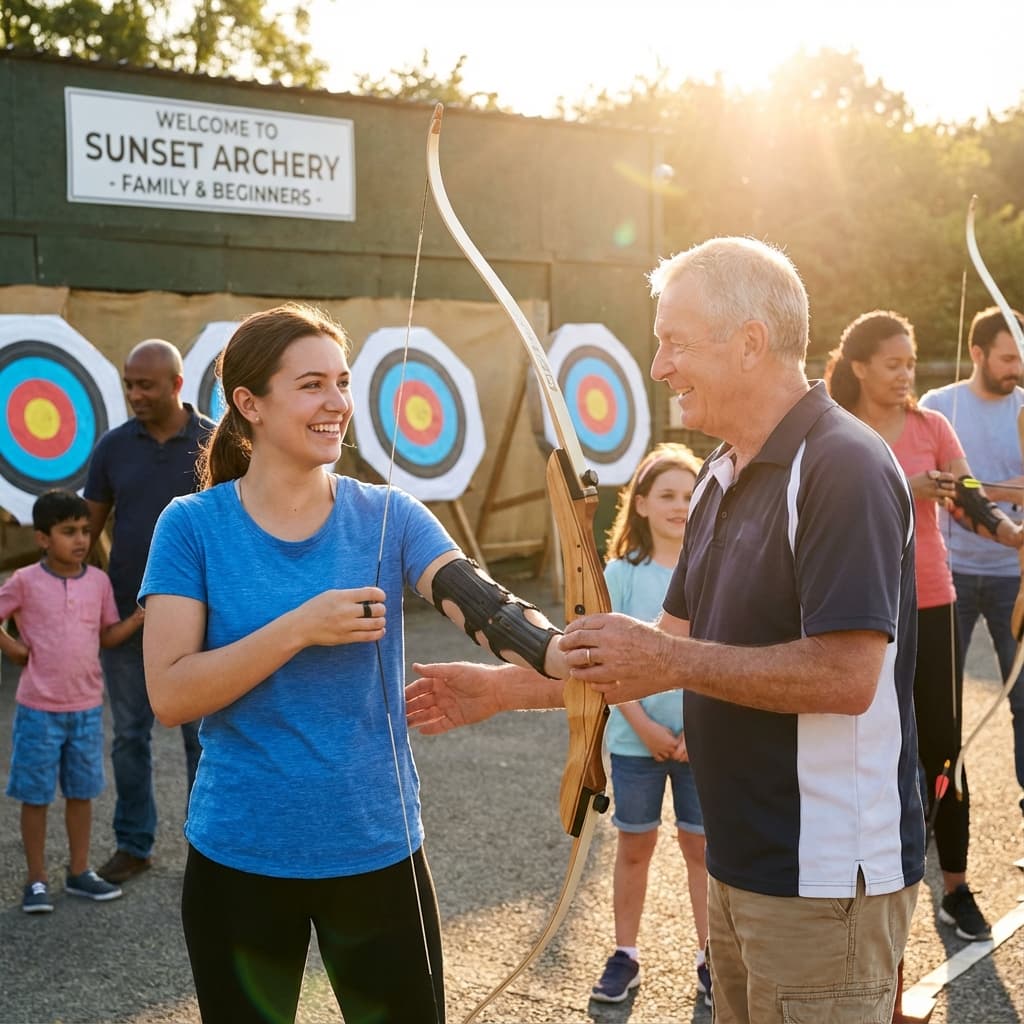
Ask about instructor certifications. USA Archery Level 2 or higher is a good benchmark. A certified coach can teach proper form from day one, preventing bad habits that are hard to break later.
Distance Options
Indoor ranges typically offer 10–20 yards. If you plan to compete outdoors or bowhunt, you will eventually need access to 40–70+ meter distances. Consider whether the range can grow with your skill level.
Community and Culture
The best ranges foster a welcoming community. Look for clubs that host league nights, tournaments, and social events. Fellow archers are your best resource for tips, motivation, and making the sport enjoyable long-term.
🎓 Should You Take Lessons?
The short answer: absolutely, especially if you are a beginner. Here is why professional instruction is worth the investment:
With a Coach
- Correct form from day one
- Faster progression through fundamentals
- Safety habits drilled in early
- Equipment advice tailored to you
- Accountability and motivation
Self-Taught
- Risk of developing bad habits
- Slower progress on form correction
- Potential safety gaps
- Equipment guesswork
- Can work with video analysis tools
Most ranges offer introductory group lessons for $20–$40 per session, which typically include equipment. Private coaching runs $50–$100+ per hour but provides personalized feedback. Many archers start with a group lesson and then supplement with occasional private sessions as they progress.
🏹 Types of Archery You Can Try Locally
| Type | Where to Find It | Best For |
|---|---|---|
| Target Archery | Indoor/outdoor ranges, clubs | Beginners, competition-minded archers |
| 3D Archery | Outdoor clubs, state forests | Bowhunters, outdoor enthusiasts |
| Field Archery | NFAA-affiliated clubs | Archers who enjoy varied terrain |
| Traditional Archery | Trad archery clubs, rendezvous events | Longbow and barebow enthusiasts |
| Olympic Recurve | USA Archery JOAD clubs | Youth and competitive recurve shooters |
💰 What Does It Cost?
Archery can be surprisingly affordable, especially when you are starting out. Here is a typical cost breakdown:
| Expense | Typical Cost |
|---|---|
| Range lane rental (per hour) | $10–$25 |
| Equipment rental (per session) | $5–$15 |
| Group beginner lesson | $20–$40 |
| Club annual membership | $50–$200 |
| Private coaching (per hour) | $50–$100+ |
| Public park range | Free |
- Many ranges offer discounted "beginner packages" that bundle rental gear with instruction
- Club memberships often pay for themselves within a few months if you shoot weekly
- Ask about family memberships—archery is a fantastic family activity
- Some county parks offer free archery programs, especially for youth
🎯 Getting the Most Out of Your Range Visits
Once you have found a range, here is how to maximize every session:
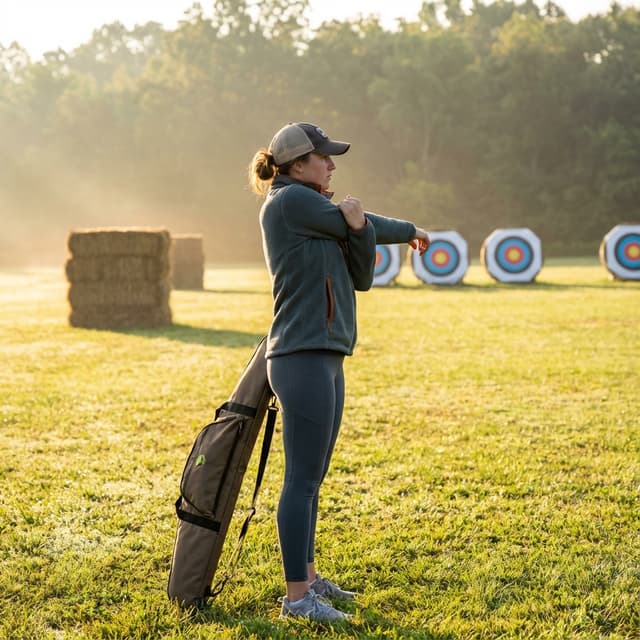
- Arrive early — Give yourself time to warm up properly before shooting. Ten minutes of stretching prevents injuries and improves your first-arrow accuracy.
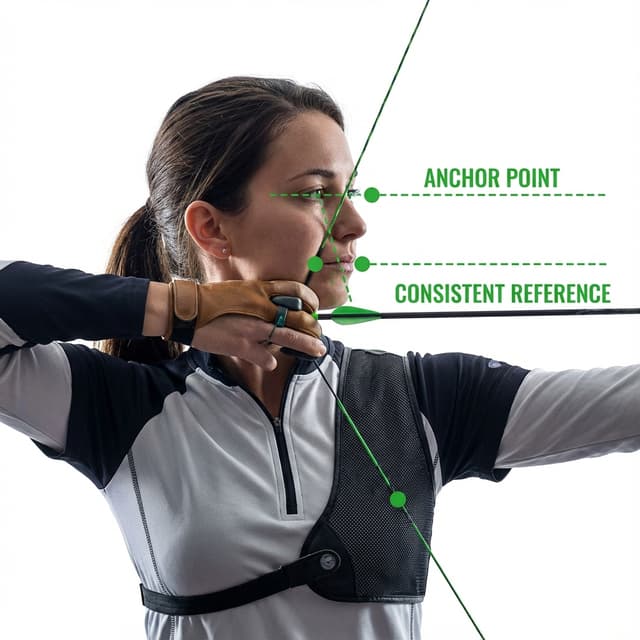
- Set specific goals — Do not just "shoot arrows." Focus on one aspect of your form per session: anchor point, follow-through, or grouping at a specific distance.
- Track your scores — Use ArcheryBuddy to log every session. Over weeks and months, you will see patterns in your improvement and identify areas that need work.
- Ask questions — Other archers at the range are usually thrilled to share tips. Do not be shy about asking for advice on form or equipment.
- Respect range etiquette — Follow commands, wait for the "all clear" before retrieving arrows, and never touch another archer's equipment without permission.
Find Ranges and Track Your Progress
ArcheryBuddy helps you find nearby ranges with its built-in club finder, then tracks your scores and form improvement across every session. Download free and start your archery journey today.
📋 Key Takeaways
- ✓Use official directories (USA Archery, World Archery) for certified clubs and ranges
- ✓Google Maps, pro shops, and social media groups are excellent supplementary resources
- ✓Evaluate ranges on safety, coaching quality, distance options, and community
- ✓Take at least one beginner lesson to learn correct form from the start
- ✓Public park ranges are often free and a great place to practice once you own equipment