If you have ever drawn a compound bow, you felt it: that dramatic drop in resistance as you reach full draw. One moment you are pulling 60 or 70 pounds—the next, you are holding just 10 or 15. That reduction is called let-off, and it is the defining mechanical advantage of compound bows over every other bow type. This guide explains exactly how let-off works, why the percentage matters, and how to choose the right amount for your shooting goals.
⚙️ What Is Let-Off?
Let-off is the percentage of draw weight that the bow's cam system removes at full draw. If a bow has a peak draw weight of 70 pounds and 80% let-off, you are only holding 14 pounds at full draw. The remaining 56 pounds of energy is stored in the limbs and cables, ready to launch the arrow when you release.
The formula is simple:
Holding Weight = Peak Draw Weight × (1 − Let-Off %)
Example: 60 lbs peak × (1 − 0.85) = 60 × 0.15 = 9 lbs holding weight
This mechanical advantage is what allows compound archers to hold at full draw for extended periods—aiming carefully, waiting for the perfect moment—without the extreme fatigue that recurve and longbow archers face while holding their full draw weight.
🔩 How Cam Systems Create Let-Off
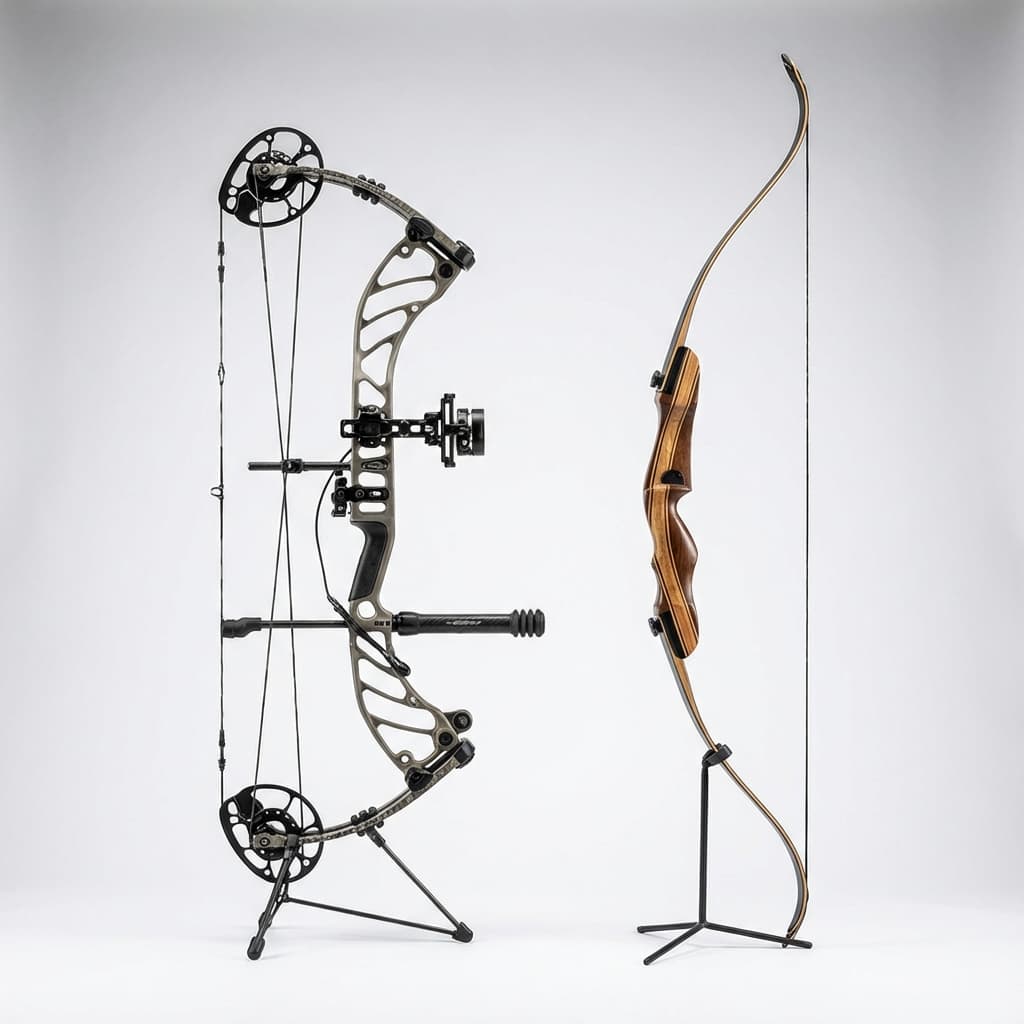
The magic of let-off lies in the cam's shape. A compound bow cam is not a simple round pulley—it is an eccentric, irregularly shaped wheel with two distinct profiles:
- The power section — The large-radius portion of the cam. As you begin your draw, the string wraps around this section. The large radius creates a mechanical disadvantage that requires significant force—this is where you feel the peak draw weight.
- The valley / let-off section — The small-radius portion at the end of the cam's rotation. As you approach full draw, the string transitions to this section. The small radius creates a massive mechanical advantage, dramatically reducing the force needed to hold the bow drawn.
The transition between these sections creates the characteristic draw cycle "wall" that compound archers feel at full draw—a hard stop where the cams reach the end of their rotation and the bow sits in its holding valley.
Types of Cam Systems
Single Cam
One working cam (bottom) and one idler wheel (top). Simpler, quieter, and easier to maintain. Typically offers 75–85% let-off. Popular in hunting bows for reliability. Slightly less aggressive draw cycle.
Dual Cam / Binary Cam
Two working cams (top and bottom) that must be synchronized. Faster arrow speeds, harder back wall, and typically 80–90% let-off. Requires precise cam timing. Used in most modern performance bows.
Hybrid Cam
Combines elements of single and dual cam designs. One control cam and one power cam. Offers the timing forgiveness of a single cam with performance closer to dual cams. Let-off typically 80–85%.
Rotating Module Cams
Modern cams with swappable or adjustable modules that allow you to change draw length and sometimes let-off percentage without a bow press. Offer maximum adjustability for growing archers or those who want to experiment.
📊 Common Let-Off Percentages
| Let-Off % | Holding Weight (at 70 lbs) | Typical Use |
|---|---|---|
| 65% | 24.5 lbs | Some target bows; more feel in the hand |
| 75% | 17.5 lbs | Target archery; good balance of feel and hold |
| 80% | 14.0 lbs | All-around; target and hunting |
| 85% | 10.5 lbs | Hunting; comfortable for extended holds |
| 90% | 7.0 lbs | Maximum comfort; some hunting bows |
Higher let-off does not mean less arrow speed. Arrow speed is determined by the total energy stored during the draw cycle (the area under the force-draw curve), not just the holding weight. Two bows with identical peak weights and draw lengths but different let-off percentages will shoot at very similar speeds. The difference is in how long and comfortably you can hold at full draw.
🎯 How Let-Off Affects Your Shooting
Aiming Time
Higher let-off means you can hold at full draw longer without muscle fatigue. This gives you more time to settle your pin on the target, wait for the right moment (in hunting), or execute your back tension release properly. For archers who tend to rush their shots, higher let-off provides breathing room.
Draw Cycle Feel
Bows with very high let-off (85–90%) often have a more aggressive draw cycle—the peak weight spikes harder and drops off faster. Some archers find this "humpy" draw uncomfortable, while others do not mind it. Bows with moderate let-off (75–80%) tend to have a smoother, more gradual draw cycle. Try different profiles at your pro shop to see what you prefer.
Back Wall Firmness
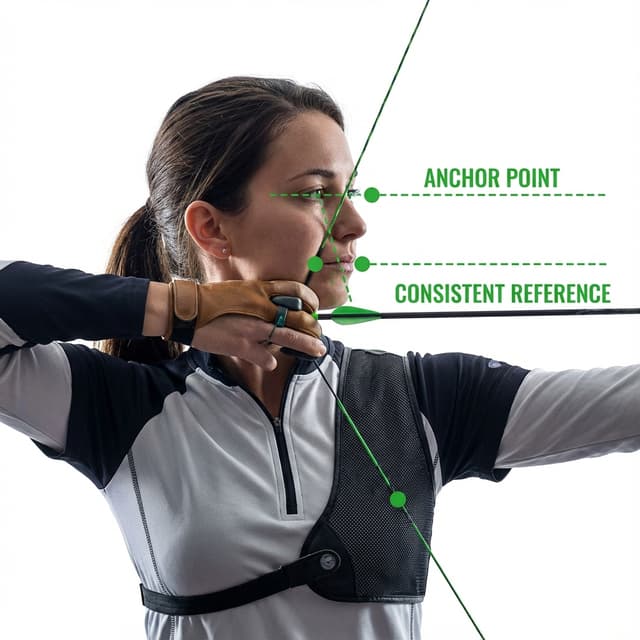
The "back wall" is the hard stop you feel at full draw. Higher let-off bows typically have a firmer, more defined back wall because the cams rotate further into their valley. A solid back wall gives you a consistent reference point for your draw length and helps with shot-to-shot repeatability.
Release Sensitivity
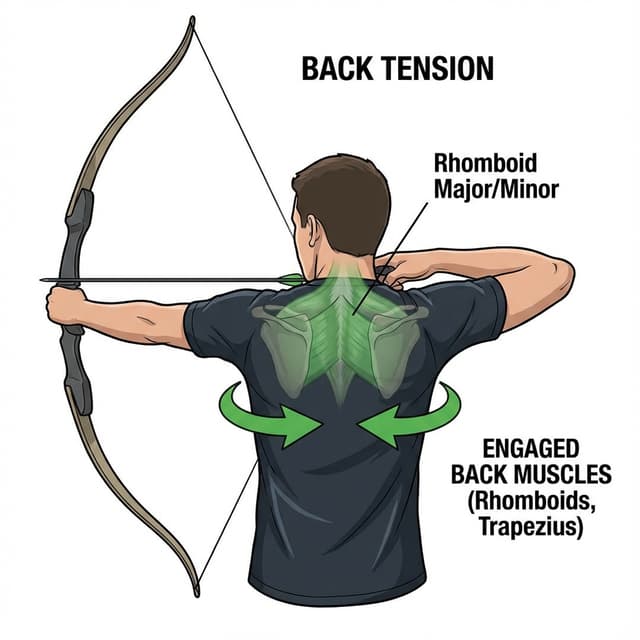
With very high let-off, you are holding very little weight against the back wall. This can make the release feel "touchy"—the slightest trigger movement fires the bow. Some target archers prefer moderate let-off (65–75%) because the additional holding weight gives them more tension to work against during back tension expansion, making the release feel more deliberate and controlled.
📜 Competition Rules on Let-Off
Different archery organizations have rules limiting maximum let-off in competition:
| Organization | Max Let-Off | Notes |
|---|---|---|
| World Archery (WA) | 80% | Applies to compound target events |
| USA Archery | 80% | Follows WA rules for compound division |
| NFAA | No limit | Any let-off percentage is allowed |
| ASA | No limit | No restriction in most classes |
| IBO | No limit | No restriction in most classes |
If you plan to compete in World Archery or USA Archery compound events, make sure your bow's let-off does not exceed 80%. Many modern hunting bows ship with 85–90% let-off and would not be legal in WA-sanctioned competitions. Check your bow's specifications and, if needed, ask your pro shop about swapping cam modules to reduce let-off.
🏹 Choosing Let-Off: Target vs Hunting
Target Archery (65–80%)
- More holding weight for back tension feel
- Smoother draw cycle preferred
- 80% max for WA/USA Archery events
- Consistent, controlled release
- Less sensitive to trigger creep
Hunting (80–90%)
- Extended hold times while waiting for game
- Less fatigue in cold weather
- No competition let-off restrictions
- Steady aim during adrenaline spikes
- Firm back wall for draw length consistency
📈 Understanding the Draw Cycle
The draw cycle is the complete force curve from rest to full draw. Understanding it helps you appreciate how let-off fits into the bigger picture:
Initial Draw (0–30%)
Weight builds gradually as you begin pulling. The cams start rotating from their resting position. Force increases steadily.
Peak Weight Zone (30–70%)
You reach and hold peak draw weight through the middle portion of the draw. This is where the bow stores the most energy. The peak zone may be a sharp spike (aggressive cam) or a long plateau (smooth cam).
Let-Off Transition (70–90%)
Weight drops rapidly as the cams rotate into their let-off profile. This is the most dramatic part of the draw cycle—you feel the weight "fall away" from your drawing hand.
The Valley and Back Wall (90–100%)
You settle into the valley—the low-weight zone at full draw. The back wall is the hard stop at the end of the draw cycle. This is where you aim and execute your shot while holding only the let-off weight.
❓ Frequently Asked Questions
Can I change the let-off on my bow?
Some bows offer adjustable let-off through swappable cam modules. Others have a fixed let-off determined by the cam design. Check your bow's manual or ask your pro shop. Adjustable module systems like those from Mathews, Hoyt, and Bowtech make it possible to change let-off without replacing the entire cam.
Does higher let-off mean less arrow speed?
Not significantly. Arrow speed depends on the total energy stored during the draw (the integral of the force-draw curve), not just the holding weight. Two bows with the same IBO specifications but different let-off percentages will shoot at very similar speeds.
What let-off is best for beginners?
Beginners generally benefit from 80–85% let-off. It provides enough comfort to focus on form and aiming without fighting excessive holding weight, while still allowing enough tension for a controlled release. As you develop your technique, you can experiment with lower or higher let-off.
Do recurve and longbows have let-off?
No. Recurve bows, longbows, and other non-compound designs have zero let-off. You hold the full draw weight at full draw. This is why compound bows revolutionized bowhunting—the ability to hold for extended periods at reduced weight makes waiting for a shot opportunity far more practical.
Compare Your Scores Across Setups
Experimenting with different let-off settings or comparing compound bows? ArcheryBuddy lets you log your equipment details alongside your scores, so you can objectively compare accuracy across different bow setups and configurations.
📋 Key Takeaways
- ✓Let-off is the percentage of draw weight reduced at full draw by the compound bow's cam system
- ✓Modern compound bows offer 65–90% let-off, with 80–85% being the most common range
- ✓Target archers often prefer 65–80% for better release feel; hunters prefer 80–90% for extended hold times
- ✓World Archery and USA Archery cap compound let-off at 80% for competition
- ✓Higher let-off does not significantly reduce arrow speed—it primarily affects holding comfort and draw cycle feel